

Internet Protocol Television, commonly known as IPTV, has transformed how we consume television content, offering an innovative alternative to traditional broadcast and cable TV. Instead of using antennas, satellite signals, or fiber-optic cables, IPTV relies on the internet to deliver television programming. This method allows for a more flexible, interactive, and user-controlled viewing experience that aligns perfectly with the digital lifestyle of today’s audiences.
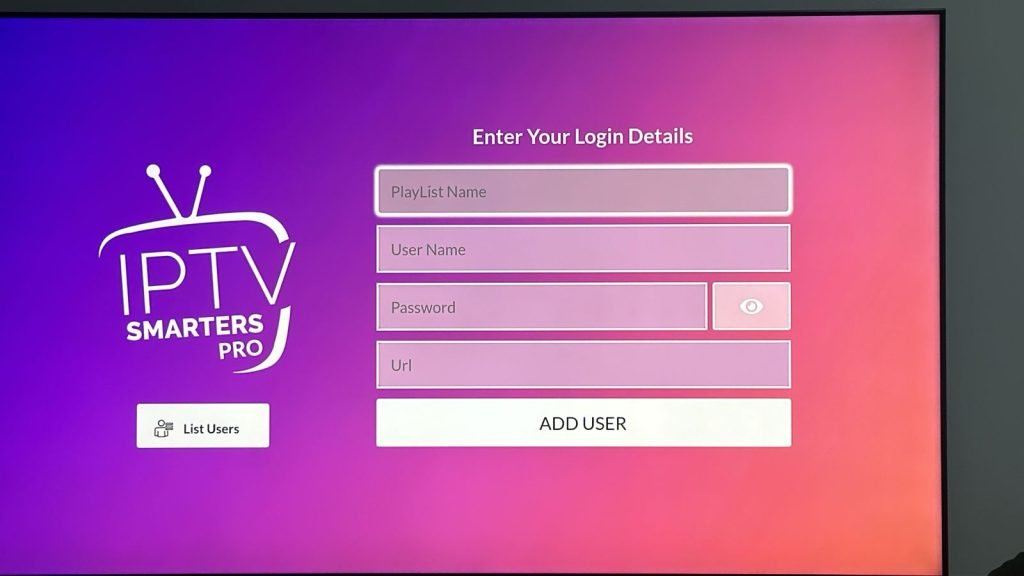
IPTV operates by transmitting television programs and video content through a broadband or internet connection. Unlike downloaded media, IPTV streams the source media continuously, allowing users to begin watching content almost instantly. This real-time streaming capability is one of the standout features of IPTV, making it more convenient for viewers who prefer not to wait for large video files to download.
The advantages of IPTV extend far beyond streaming. With IPTV, users gain access to a wide variety of programming that can be watched on-demand. Whether it’s live TV, catch-up TV, or video on demand (VOD), IPTV caters to different viewing preferences. Additionally, many IPTV services offer cloud-based DVR features, enabling users to record and store their favorite shows. Such features make IPTV a more personalized and interactive way to consume content compared to traditional methods.
Another important aspect of IPTV is its compatibility with multiple devices. IPTV is not restricted to televisions; it can also be accessed via smartphones, tablets, computers, and smart TVs. This device flexibility is particularly beneficial for modern consumers who often watch content on the go. As long as there is a stable internet connection, IPTV ensures that entertainment is always within reach, regardless of location or device.
The infrastructure behind IPTV is also worth noting. It relies on a well-organized system of servers, content delivery networks, and IP-based distribution technologies. Content is usually transmitted in small packets over the internet and decoded in real-time by the user’s device. Because IPTV is based on the same fundamental technologies as the internet, it can easily be integrated into existing broadband services, making deployment relatively simple for providers.
IPTV also opens new avenues for content creators and service providers. With fewer barriers to entry compared to traditional broadcasting, IPTV enables independent producers and niche content providers to reach targeted audiences more easily. This democratization of content distribution has led to a greater diversity of programming, giving viewers more choices and empowering smaller creators to compete with larger networks.
Security is another factor to consider when discussing IPTV. Because content is delivered over the internet, ensuring secure transmission and protecting user data is crucial. IPTV services often use encryption and other cybersecurity measures to protect streams from piracy and unauthorized access. While the risk of illegal IPTV services exists, legitimate providers prioritize secure and legal content delivery to maintain trust and comply with regulations.
One of the challenges that IPTV faces is the need for a stable and fast internet connection. High-quality video streaming, especially in HD or 4K, requires substantial bandwidth. Without sufficient internet speed, users may experience buffering, lag, or reduced picture quality. As such, the performance of IPTV is closely tied to the quality of the user’s internet service, which can vary widely depending on location and provider.
Despite this limitation, the global popularity of IPTV continues to grow. The rise of fiber-optic broadband and 5G mobile networks has improved access to high-speed internet, making IPTV more accessible and reliable than ever before. As technology advances, it is likely that IPTV will become the primary method of television delivery in many parts of the world, gradually replacing traditional broadcast and satellite systems.
In the context of user experience, IPTV offers several advantages, including interactive program guides, content recommendations, and customization options. These features enhance viewer engagement and satisfaction, as users can tailor their viewing environment to suit their preferences. The evolution of IPTV platforms also includes integration with voice assistants and smart home ecosystems, further enhancing convenience and accessibility.
From a cost perspective, IPTV often provides a more affordable alternative to traditional cable or satellite services. Many IPTV providers offer flexible subscription plans, allowing users to pay only for the channels or content they want. This pay-as-you-go model appeals to budget-conscious consumers who are looking to cut the cord without sacrificing access to quality programming.
Looking ahead, IPTV is poised to play a significant role in the future of media consumption. As more people embrace streaming and on-demand services, the shift toward IPTV will continue to accelerate. Innovations in artificial intelligence, machine learning, and cloud computing are expected to further enhance IPTV offerings, delivering smarter, faster, and more personalized content experiences.
In conclusion, IPTV represents a significant leap forward in how television content is delivered and consumed. By leveraging the power of the internet, IPTV provides a more flexible, interactive, and cost-effective solution for modern viewers. As technology and connectivity continue to improve, IPTV will undoubtedly become an even more integral part of the global entertainment landscape, reshaping how we experience television in the digital age.